Most fabric sustainability advice is written by brands selling one of the fabrics. This one is too, so read it with that in mind. We have tried to be straight about where our own material sits, which is not at the top of the list.
The fabrics with the worst environmental record
Conventional cotton
Water-intensive to grow and one of the more pesticide-intensive crops in commercial agriculture. Organic cotton addresses the growing side, though it typically needs more land for the same yield.
Polyester
Made from petrochemicals, energy-intensive to produce, and it does not biodegrade. It also sheds microplastics with every wash, which is the part that has become harder to ignore. It is the most widely used fibre in clothing by a considerable margin.
Nylon
Same petrochemical origin as polyester, similar microplastic shedding, and the production process is energy-intensive.
Acrylic
Petroleum-based, non-biodegradable, and among the worst for microplastic shedding of the common synthetics.
Conventional viscose and rayon
This is the one we need to be honest about, because it is what we sell.
Viscose is made by dissolving wood or plant pulp in chemicals and reforming it into fibre. Rayon is the same thing under a different name. Conventional viscose production has two real problems: the solvent, historically carbon disulfide, which is harmful to workers if not properly contained, and the sourcing of the pulp, which has been linked to deforestation.
So bamboo viscose is a form of rayon, and any brand telling you it is a natural fibre or chemical-free is misleading you. It is a regenerated cellulose fibre, in the same family as modal and Tencel.
What makes viscose better or worse
The raw material matters less than the process. Two things separate a well-made viscose from a badly made one:
Closed-loop production. The solvent is captured and reused rather than discharged. This is the single biggest difference, and it is why Tencel lyocell is generally considered the cleanest of the regenerated cellulose fibres.
Where the pulp comes from. FSC certification means the source forest is managed rather than cleared.
Ours is Tanboocel, made in a closed-loop process that recovers and reuses the solvent, without carbon disulfide, from FSC certified bamboo. That is a meaningful difference from conventional viscose. It is not the absence of chemistry, and we are not going to pretend otherwise.
The fabrics with the better record
Linen. Flax needs little water and few inputs, and the fibre is durable. Probably the most straightforwardly low-impact common fabric.
Hemp. Similar story. Fast growing, low input, very durable.
Tencel lyocell. Regenerated cellulose like viscose, but made in a closed-loop process by design rather than as an upgrade.
Organic cotton. Better than conventional on chemical inputs, though still water-hungry.
Recycled fibres. Recycled polyester keeps existing plastic in use, though it still sheds microplastics.
What actually matters more than the fibre
Honestly? How long you keep it. A polyester garment worn for ten years has a lower footprint than an organic cotton one worn twice. Buying less and keeping it longer beats every fibre choice on this page.
Beyond that, the two things worth looking for on a label are OEKO-TEX Standard 100, which means the finished fabric has been tested for harmful substances, and closed-loop production for any regenerated fibre.
Be sceptical of the word natural. It has no regulated meaning in textiles, and it is doing a lot of work in a lot of marketing.
Where we sit
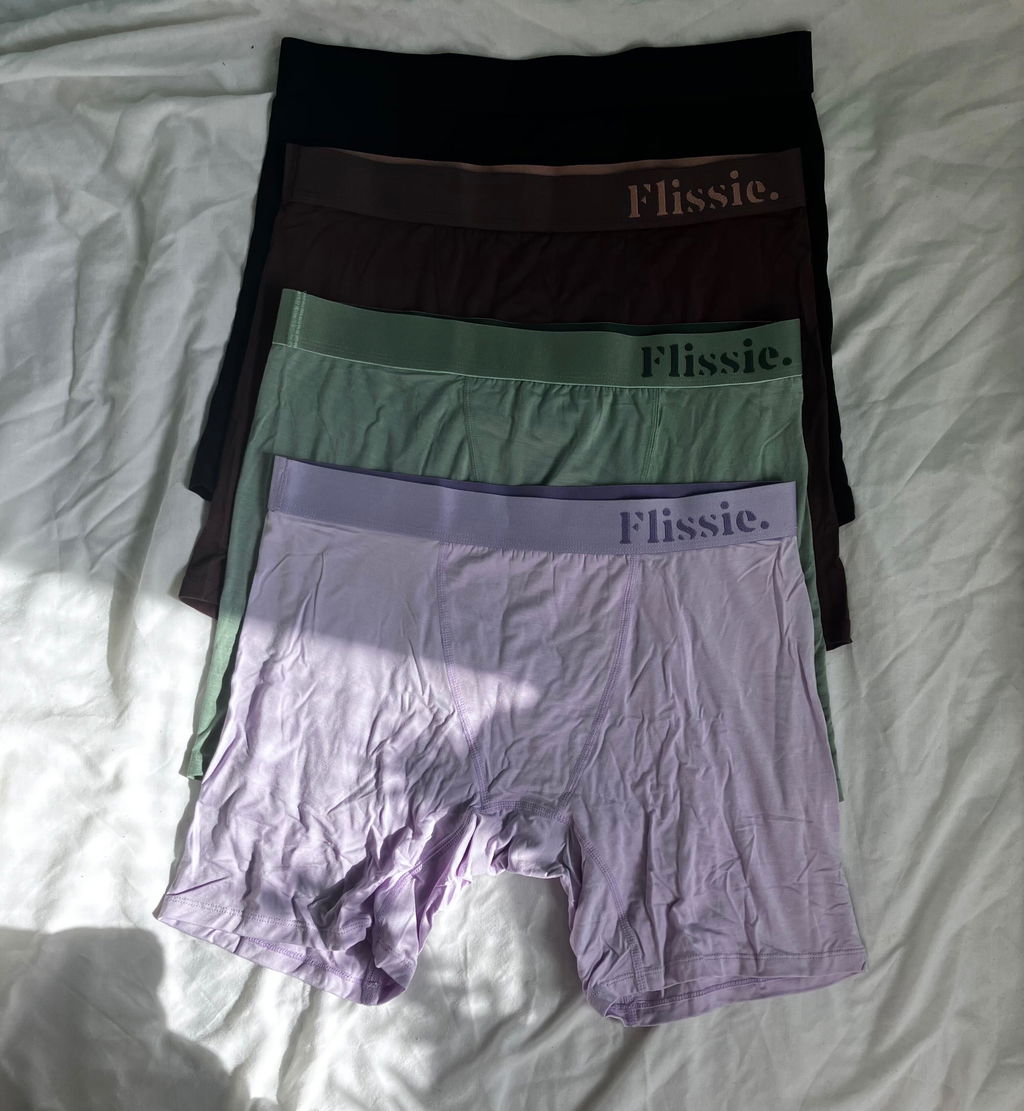
We make bamboo viscose boxer shorts. That puts us in the regenerated cellulose category, which is better than virgin polyester and not as good as linen. Closed-loop production and FSC certified pulp are the parts we can point to. Being a natural fibre is not one of them.
If you want the honest version of the whole bamboo question, we go through it in is bamboo underwear worth it, and how we make ours is on our sustainability page. For more reading on slower fashion, here are 12 UK sustainable fashion blogs worth following.